Indoor Air Quality in Wakefield: How New England Winters Affect Your Home
Wakefield homeowners know that indoor air quality can decline quickly once New England winter arrives. Cold temperatures force families to close windows, seal drafts, and run their heating systems for long periods. While these steps keep homes warm, they also trap airborne pollutants inside and remove much of the natural humidity from the air. The result is a home environment that often feels dry, stuffy, and uncomfortable.
Understanding how winter conditions affect your indoor air quality can help you take the right steps to protect your home and your health. Dry indoor air, increased dust, lingering odors, and more frequent allergy symptoms are all common issues during the colder months. This blog explains how New England winters impact the air inside your Wakefield home and offers practical tips on humidity control, ventilation, filtration, and HVAC care.
Why Winter Worsens Indoor Air Quality
New England winters create conditions that make indoor air quality noticeably worse for Wakefield homeowners. When temperatures drop, homes become tightly sealed to keep heat indoors. While this conserves energy, it also traps airborne particles, odors, and moisture imbalances inside. Combined with long hours of furnace use, indoor air becomes stale and less comfortable as the season progresses.
Increased Dust and Airborne Particles
Forced air heating systems run often during winter, stirring up dust, pet dander, pollen from fall, and other particles that settle inside the home. Since doors and windows stay closed, these irritants have no escape. The result is a higher concentration of airborne debris, which can worsen allergies and make the air feel heavy or dry.
Stale, Recycled Air in Tightly Sealed Homes
Weatherproofing and insulation upgrades help Wakefield homes stay warm, but they also limit fresh air exchange. Without proper ventilation, indoor air becomes stale and can hold onto lingering odors from cooking, cleaning, or pets. Recycled air also allows viruses, bacteria, and other pollutants to remain inside longer, contributing to winter illness and discomfort.
Dry Air and Its Effects on Your Home
During New England winters, heated indoor air becomes extremely dry. As temperatures drop in Wakefield, furnaces run for longer periods, stripping the air of moisture. Low humidity not only affects comfort but can also cause physical irritation and damage to your home’s interior. Understanding how dry air impacts your living environment can help you take steps to maintain healthier indoor conditions.
Dry Skin, Irritated Sinuses, and Allergies
When indoor humidity levels fall too low, moisture evaporates from your skin, eyes, and respiratory passages more quickly. This leads to dry skin, itchy eyes, irritated sinuses, and increased allergy sensitivity. Families in Wakefield often notice these symptoms the most during mid winter when the air is coldest and the heating system is running continuously. Low humidity can also make airborne particles feel more noticeable, adding to breathing discomfort.
Cracking Wood Floors, Shrinking Trim, and Static Electricity
Dry indoor air can also damage your home’s interior surfaces. Wood floors may shrink or develop small gaps between boards. Baseboards, window trim, and doors can pull away slightly as moisture evaporates from the wood. Many homeowners also experience frequent static shocks during winter due to extremely dry air. These issues are all signs that humidity levels are too low and that your home may benefit from moisture control solutions.
The Role of Humidifiers in New England Homes
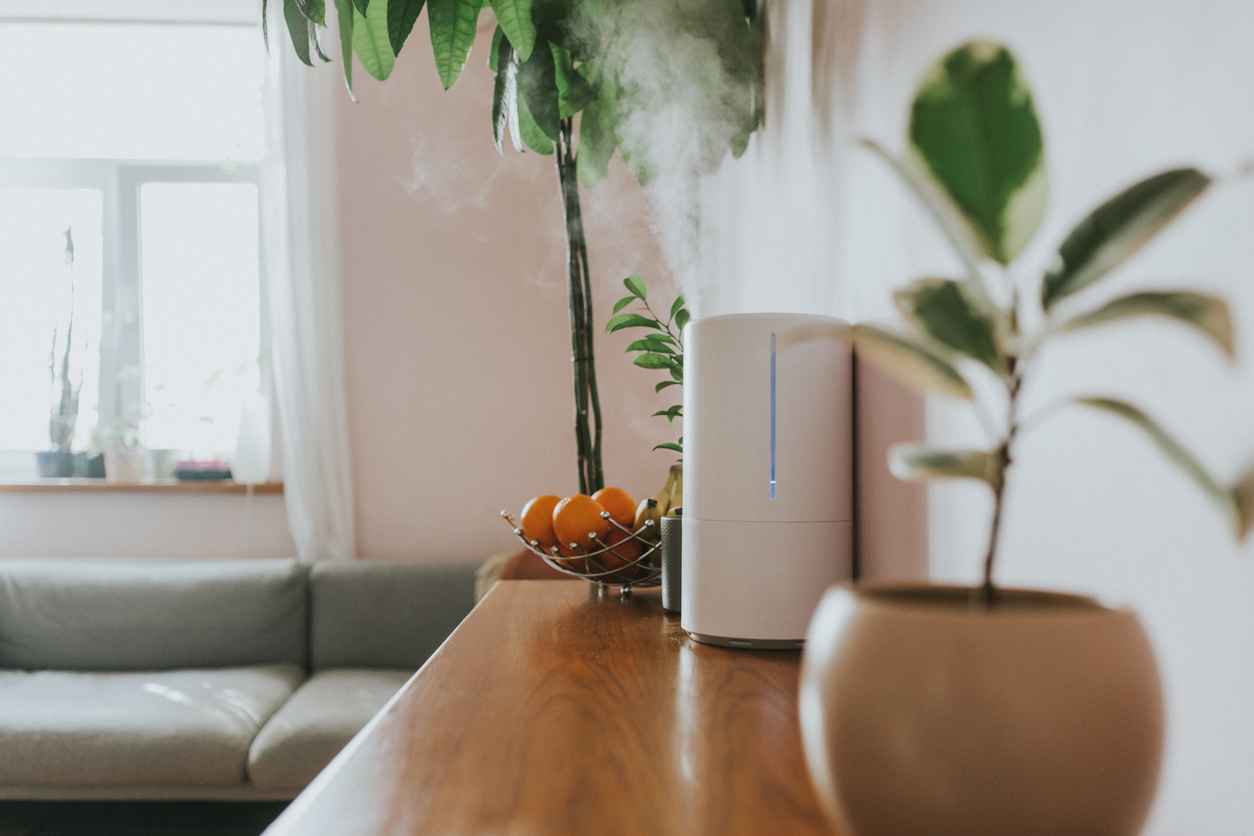
Humidifiers play a key role in improving indoor comfort during New England winters. When temperatures drop in Wakefield, indoor air loses moisture quickly, creating an environment that feels dry and uncomfortable. Adding controlled humidity back into the air helps protect your health, your home, and your HVAC system.
Benefits of Whole Home Humidifiers
Whole home humidifiers integrate directly with your heating system to add the ideal amount of moisture to your air supply. They help maintain consistent humidity levels throughout every room, unlike portable humidifiers that only treat a small area. Whole home systems also require less maintenance, reduce dry air symptoms, and help keep wood surfaces in better condition. They are especially helpful in homes with frequent static electricity or noticeable winter dryness.
Signs Your Home Needs Better Humidity Control
If you consistently experience dry skin, cracked lips, or irritated sinuses during winter, your home likely has low humidity. Other signs include cracking wood floors, shrinking trim, frequent static shocks, and a general feeling of dry, heavy air. Condensation forming around windows during very cold days may also indicate an imbalance in humidity. A humidifier can restore moisture to comfortable levels and improve both air quality and overall comfort.
Improving Ventilation During Winter Months
Proper ventilation is essential for maintaining healthy indoor air during New England winters. Wakefield homeowners often seal their homes tightly to conserve heat, but this also traps stale air, odors, and pollutants inside. Improving ventilation helps bring in fresh air, reduce contaminants, and balance indoor humidity without sacrificing warmth.
Heat Recovery Ventilators (HRVs)
HRVs are highly effective in cold climates because they exchange stale indoor air with fresh outdoor air while retaining heat. As fresh air enters the home, the system captures warmth from outgoing air, making ventilation more energy efficient. HRVs help reduce humidity imbalances, remove pollutants, and maintain better air circulation throughout winter. They are an excellent upgrade for tightly sealed or newer Wakefield homes.
Kitchen and Bathroom Exhaust Fans
Exhaust fans are simple but powerful tools for improving winter ventilation. Kitchens and bathrooms generate moisture that can linger in the air and contribute to mold growth or stale odors. Running exhaust fans during and after cooking or bathing helps remove excess humidity and keeps indoor air fresher. Wakefield homeowners should check that their fans vent outdoors and are not blocked by debris or snow buildup.
How HVAC Maintenance Impacts Indoor Air Quality
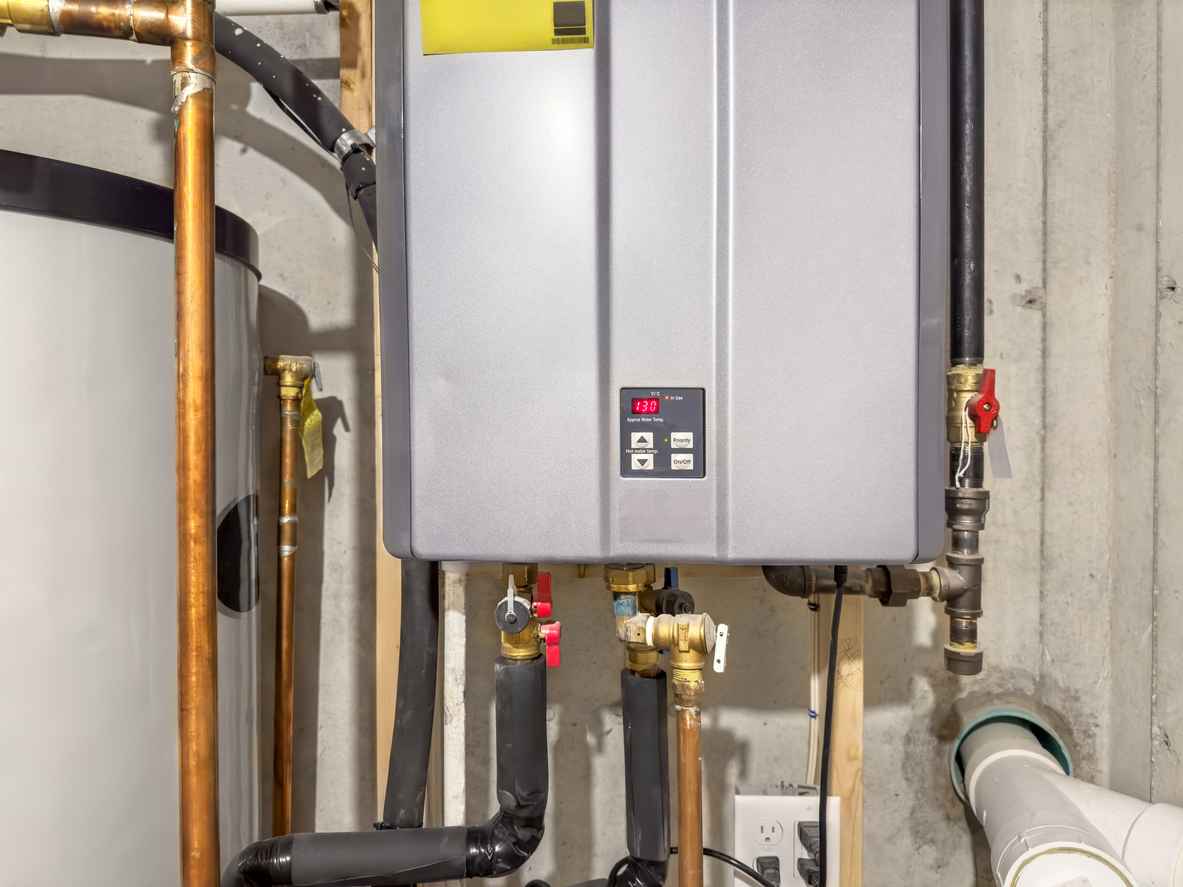
Your HVAC system plays an essential role in keeping indoor air clean and comfortable during New England winters. Wakefield homeowners rely on their heating systems for long stretches of time, which means dust, debris, and worn components can affect air quality more quickly. Regular maintenance helps your system run efficiently and prevents pollutants from circulating through your home.
Air Filter Selection for Winter Conditions
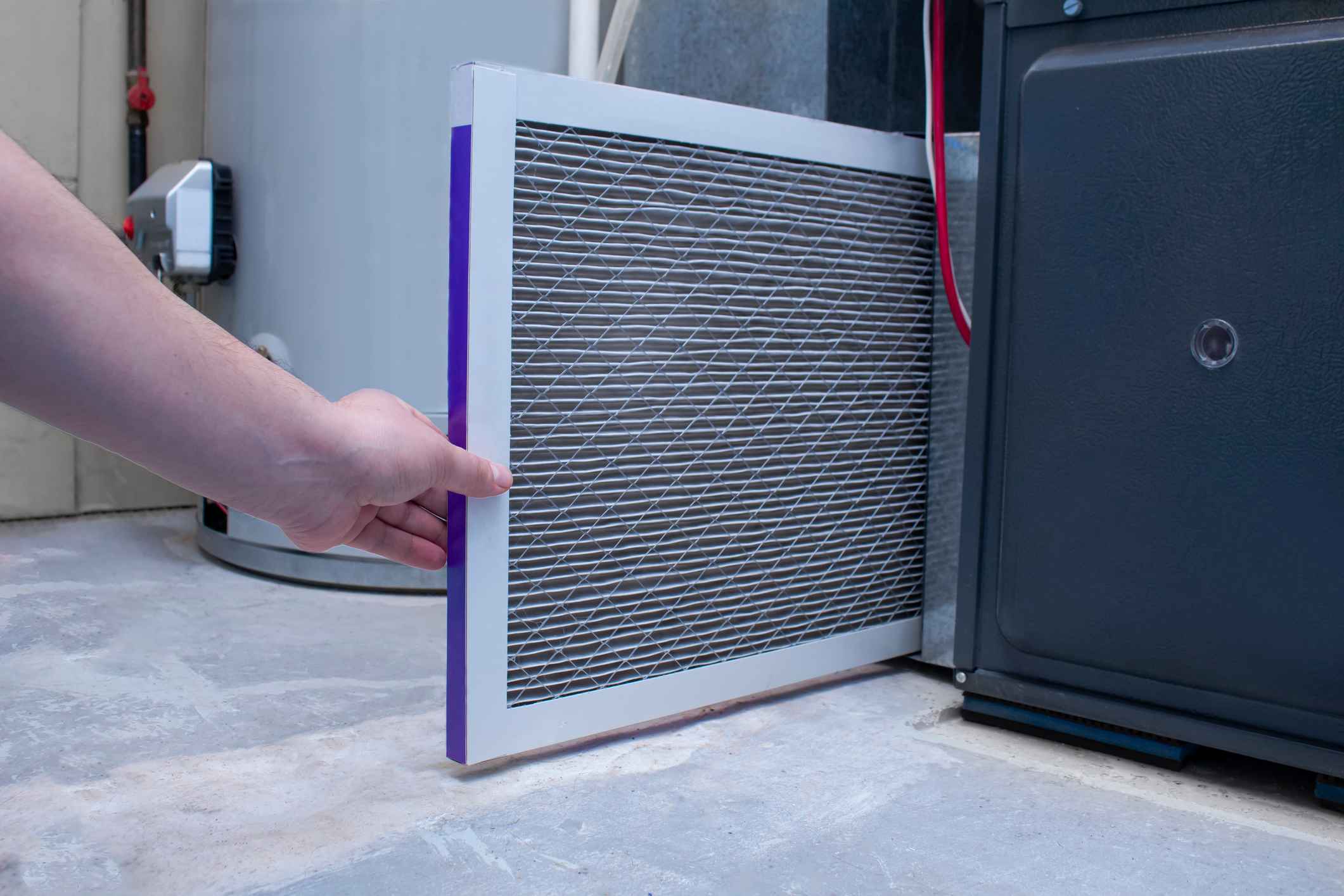
Air filters capture dust, allergens, and airborne particles before they spread throughout your home. During winter, when your heating system runs frequently and windows remain closed, filters get dirty faster. Choosing a high quality filter suited to your HVAC system improves indoor air quality and keeps airflow strong. Media filters and higher efficiency options can trap more particles without restricting your system, making them ideal for cold seasons.
Cleaning Blower Components and Heat Exchangers
Dust buildup on blower blades, motors, and heat exchangers can reduce airflow and worsen indoor pollutants. When debris collects inside your furnace, it can lead to burning smells, uneven temperatures, and decreased efficiency. Seasonal HVAC maintenance includes cleaning these components to ensure warm air moves freely and stays clean. This helps reduce circulating dust and keeps your home more comfortable throughout winter.
Create a Healthier Home This Winter in Wakefield
Improving indoor air quality during a New England winter takes the right mix of humidity control, ventilation, filtration, and reliable HVAC performance. When the air becomes dry, stale, or uncomfortable, even small adjustments can make a big difference in your home’s comfort and health. Whether you are dealing with winter dryness, lingering odors, or increasing dust levels, expert guidance ensures your home stays safe and breathable all season long.
Our team understands the unique challenges that New England winters create and can help you choose the best options for your home. Contact Mac Home Services today to schedule a winter air quality assessment and enjoy cleaner, more comfortable air all winter.