How Freeze-Thaw Cycles in Massachusetts Stress Heating Systems
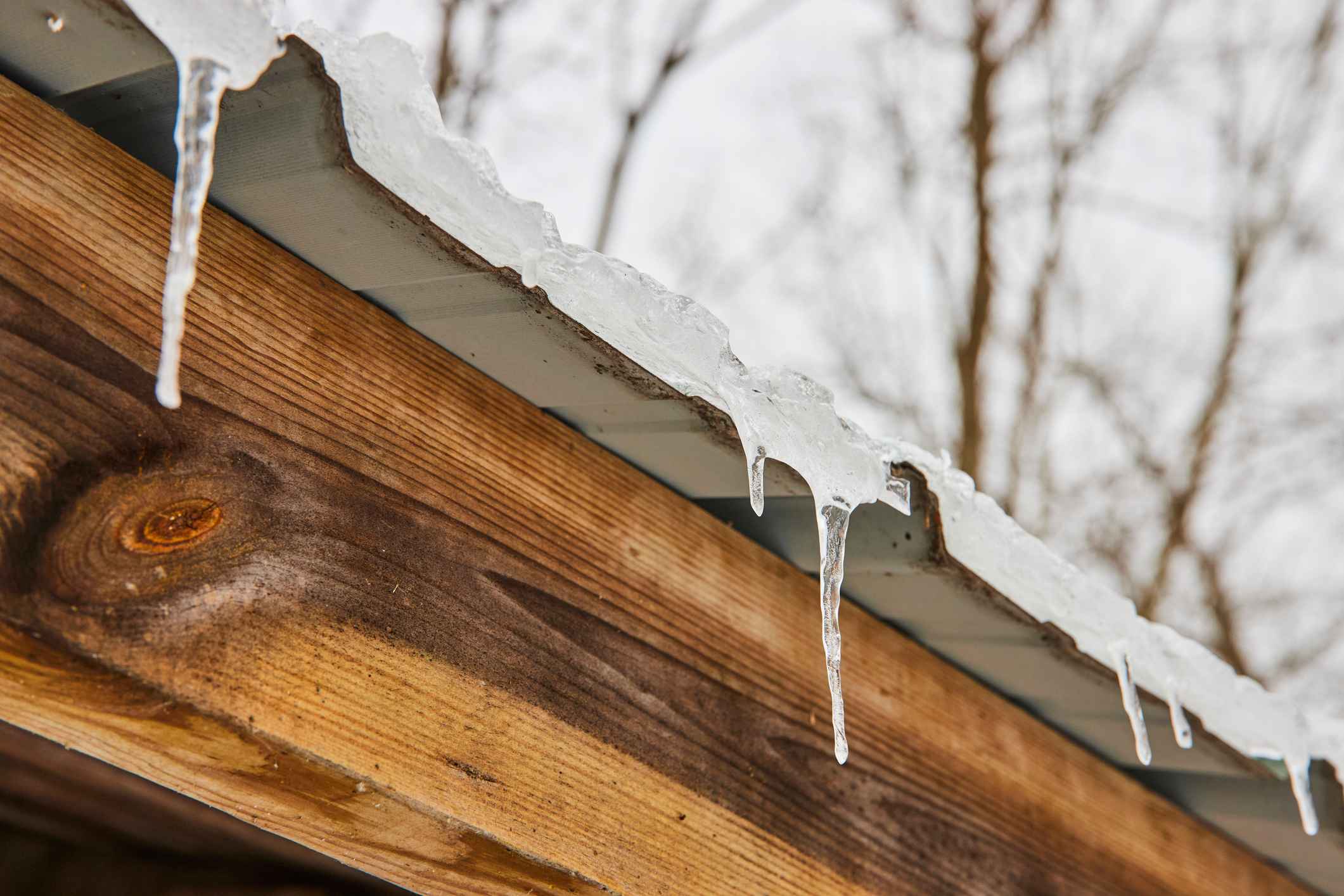
In Massachusetts, we are no strangers to the volatile nature of the Atlantic climate. One day we are shoveling through a foot of heavy snow, and the next, a warm front pulls the temperature into the mid-forties, leading to a slushy mess. While these “January thaws” might offer a brief psychological break from the winter gloom, they trigger a physical process that is incredibly taxing on your home: the freeze-thaw cycle.
At MAC Home Services, we see the results of these cycles every year. While most homeowners worry about their heating systems during a sustained deep freeze, it is often the rapid transition between freezing and thawing that causes the most mechanical and structural stress. From the North Shore down to the South Bay, Massachusetts heating systems are forced to run a gauntlet of expansion and contraction that can lead to premature failure. This guide explores the “hidden” stressors of our coastal winters and how you can protect your heating system from the wear and tear of the freeze-thaw cycle.
The Physics of Expansion and Contraction
The fundamental problem with freeze-thaw cycles is the physical law that materials change size with temperature. In a Bay State winter, your heating system’s internal components, made of copper, cast iron, and high-grade steel, are constantly in motion.
Ductwork and Fitting Fatigue
As your furnace or boiler fires up to fight a 15-degree night, the metal components expand. When the sun comes out and the temperature hits 40 degrees, the system shuts down and the metal contracts.
- Joint Weakness: Over the course of a single winter, your system might experience hundreds of these “expansion cycles.” This puts a relentless strain on the joints where pipes meet or where ductwork is sealed.
- The “Tapping” Sound: If you hear rhythmic tapping or popping in your walls when the heat turns on, you are hearing your pipes or ducts physically expanding against the wooden framing of your home. Over time, this friction can wear down protective coatings or loosen the hangers that keep your system stable.
The Brittle Point
Older systems are particularly vulnerable. Metals that have been through twenty years of Massachusetts winters become less “elastic.” During a rapid freeze after a damp thaw, these brittle metals are more likely to develop hairline fractures. This is a primary cause of heat exchanger failure in furnaces and cracked sections in cast iron boilers.
The Exterior Battle: Vents and Intakes
For homeowners with high-efficiency furnaces or heat pumps, the freeze-thaw cycle creates a specific set of outdoor hazards. Modern systems rely on PVC pipes that vent through the side of the house, and these are often the first victims of a “slush-to-ice” transition.
The “Ice Dam” for Your Furnace
When snow melts during a daytime thaw, the water drips down the side of your home. If the temperature drops rapidly at sunset, that water can freeze directly over your furnace’s intake or exhaust vents.
- Suffocating the Flame: A high-efficiency furnace needs to “breathe.” If the intake is blocked by a sudden ice formation, the furnace will fail to light.
- Pressure Switch Errors: Most of the “no-heat” calls we receive at MAC Home Services during a freeze-thaw event are related to pressure switches. These sensors detect the slightest restriction in airflow. Even a small ring of ice inside a PVC vent can be enough to shut your entire system down for safety.
The Heat Pump “Ice Jacket”
If you use a heat pump in Massachusetts, the freeze-thaw cycle is even more challenging. During a thaw, moisture can seep deep into the delicate aluminum fins of the outdoor unit. When it freezes again, that moisture expands, potentially bending the fins and reducing the system’s ability to transfer heat. This forces the unit to enter “defrost mode” more frequently, which increases your electric bill and puts extra wear on the reversing valve.
The Impact on Hydronic (Boiler) Systems
Many historic homes in Massachusetts rely on boilers and radiators. These systems are uniquely affected by the freeze-thaw cycle due to the presence of standing water in pipes that often run through unheated or poorly insulated areas like crawlspaces or exterior walls.
The Invisible Pipe Stress
During a thaw, the water in your pipes warms up. During a freeze, the air in your wall cavities drops. If the heat isn’t running because the thermostat is satisfied by the warmer outdoor air, the water in those pipes can become stagnant.
- Localized Freezing: It doesn’t have to be zero degrees for a pipe to freeze. A 25-degree night with a strong wind can freeze a pipe in a drafty “dead air” space.
- Expansion Pressure: As water turns to ice, it expands with enough force to burst a copper pipe. Often, the pipe bursts during the freeze, but you won’t discover the leak until the next thaw when the ice melts and the water begins to flow into your ceiling or flooring.
Protecting Your System: The MAC Home Services Strategy
At MAC Home Services, we believe that a “resilient” heating system is one that is prepared for the worst of the Massachusetts elements. You can take several proactive steps to minimize the stress of the freeze-thaw cycle.
Maintain a Consistent Thermostat Setting
It is tempting to “crank” the heat up and down as the weather changes. However, for the health of your equipment, consistency is better.
- Avoiding Extreme Cycles: Setting your thermostat to a steady 68 degrees reduces the “thermal shock” your system experiences. Rapidly heating a cold house or letting a house “cold soak” during a thaw makes the next expansion cycle much more aggressive.
- The “Drip” Rule: If a major freeze is predicted immediately following a rainy thaw, consider leaving a faucet on a tiny drip. This keeps water moving in your pipes and can prevent the pressure buildup that leads to bursts.
Professional “Winter Health” Checks
Because the freeze-thaw cycle targets the weakest points of your system, a professional inspection is vital. During a MAC maintenance visit, we look for the subtle signs of seasonal fatigue.
- Checking the Heat Exchanger: We use specialized cameras to look for hairline cracks that may have been caused by metal fatigue.
- Clearing Condensate Lines: In high-efficiency systems, the “drain” line is a common failure point during a freeze. We ensure these lines are clear and properly insulated to prevent the “ice-plug” that leads to system shutdowns.
- Testing Safety Switches: We ensure that your system’s sensors are calibrated correctly so they can protect your home if a vent becomes blocked by ice or snow.
Secure Your Home with MAC Home Services
Is your heating system showing signs of fatigue as the winter progresses? Do not wait for a “January thaw” to turn into a “February freeze” before checking your system’s health. The experts at MAC Home Services are ready to provide a comprehensive “Freeze-Thaw Diagnostic” for your home. From inspecting your heat exchanger to ensuring your outdoor vents are protected, we provide the expert service you need for total peace of mind.
Contact us today to schedule your winter maintenance and stay warm no matter how the Massachusetts sky changes.