When to Replace Your Water Heater in Greater Boston: Local Lifespan and Cost Guide
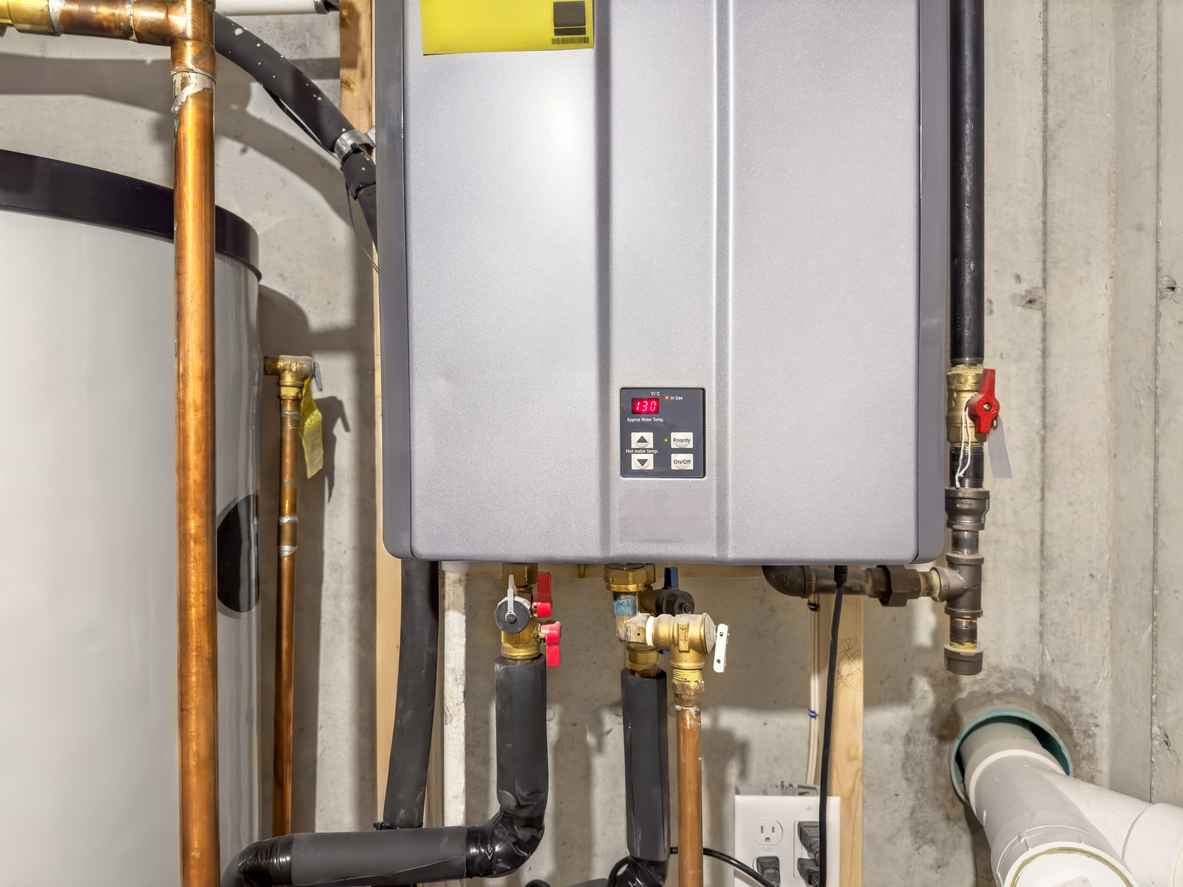
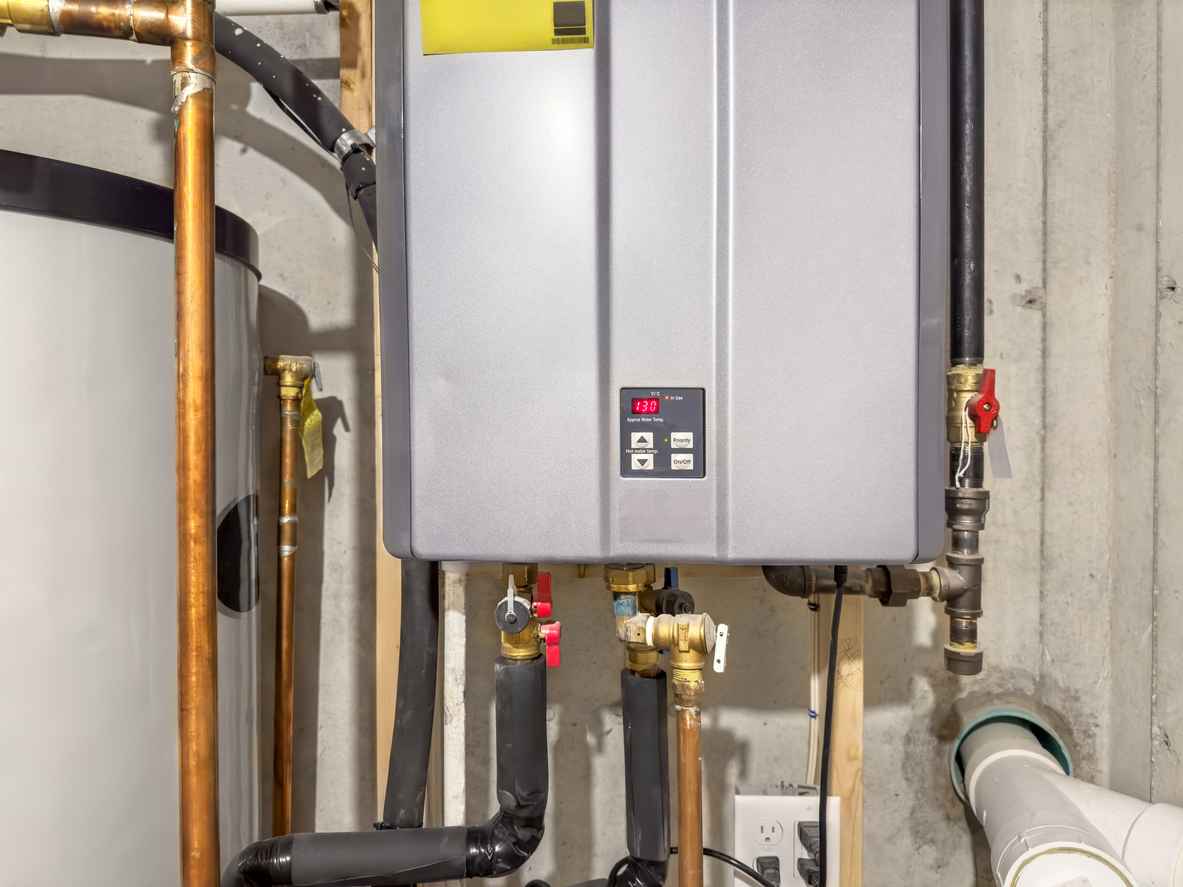
Hot water is something most Greater Boston homeowners rely on every day, from morning showers to laundry and dishes. Because water heaters often work quietly in the background, it is easy to overlook their condition until performance drops or a failure occurs. Knowing when to replace a water heater helps homeowners avoid unexpected cold water, water damage, and emergency replacement costs.
Local factors play a major role in how long water heaters last in Greater Boston. Cold inlet water temperatures, mineral content, and seasonal demand can all place added strain on these systems. Understanding typical lifespans, warning signs of aging equipment, and local cost considerations allows homeowners to plan ahead and make informed decisions before a water heater reaches the end of its useful life.
Average Water Heater Lifespan in Greater Boston
Water heater lifespan can vary based on system type, usage, and local conditions. In Greater Boston, colder winters and consistent year round demand often cause water heaters to work harder, which can shorten their service life compared to milder regions.
Typical Lifespan of Tank Water Heaters
Traditional tank water heaters are still common in many Boston area homes. These systems store and continuously reheat water, which leads to gradual wear on internal components.
In Greater Boston, most tank water heaters last:
- About 8 to 12 years for gas models
- About 10 to 15 years for electric models
Heavy usage, mineral buildup, and lack of maintenance can reduce these timeframes.
Lifespan of Tankless Water Heaters
Tankless water heaters generally last longer because they heat water on demand instead of storing it. With proper maintenance, these systems can perform reliably for many years.
Typical expectations for tankless systems include:
- 15 to 20 years of service life
- Longer lifespan when flushed and serviced regularly
Local Factors That Shorten Water Heater Life
Several regional factors cause water heaters in Greater Boston to wear out faster than homeowners might expect. Understanding these local conditions helps explain why replacement timing is often sooner than national averages.
Hard Water and Mineral Buildup
Much of Greater Boston has water with mineral content that contributes to scale buildup inside water heaters. Over time, minerals settle at the bottom of the tank or coat heating elements, reducing efficiency and increasing strain on the system.
Mineral buildup can lead to:
- Slower heating performance
- Higher energy usage
- Overheating and internal damage
Cold Inlet Water and System Strain
During Boston winters, incoming water temperatures drop significantly. Water heaters must work harder and longer to raise cold water to the desired temperature, which increases wear on heating components.
Cold inlet water often causes:
- Longer heating cycles
- Increased energy consumption
- Faster deterioration of internal parts
Warning Signs It Is Time to Replace Your Water Heater
Water heaters rarely fail without warning. In most cases, performance issues and visible wear begin to appear well before a complete breakdown. Recognizing these signs early helps Greater Boston homeowners plan replacement before facing emergency situations.
Performance and Efficiency Issues
As water heaters age, they become less efficient and struggle to keep up with household demand. These changes are often gradual and easy to overlook at first.
Common performance warning signs include:
- Inconsistent or insufficient hot water
- Longer wait times for hot water
- Rising energy bills without increased usage
Visible Damage and Age Related Wear
Physical signs of wear often indicate that a water heater is nearing the end of its lifespan. Ignoring these indicators can increase the risk of leaks or water damage.
Signs that replacement may be necessary include:
- Rust or corrosion on the tank or connections
- Discolored or rusty hot water
- Small leaks or moisture around the base of the unit
- A water heater approaching or exceeding its expected lifespan
Cost Considerations for Water Heater Replacement in Greater Boston
Replacing a water heater is a significant investment, and costs can vary based on the type of system, installation requirements, and home layout. Understanding local pricing factors helps Greater Boston homeowners budget appropriately and avoid surprises.
Replacement Costs by Water Heater Type
The total cost of replacement depends largely on whether you choose a traditional tank system or a tankless option. Installation complexity, venting, and electrical or gas upgrades also affect pricing.
Typical cost considerations include:
- Tank water heaters generally have lower upfront costs
- Tankless systems cost more initially but offer longer lifespan
- Older homes may require code upgrades during installation
Long-Term Cost Savings of New Systems
Newer water heaters are more energy-efficient than older models. Upgrading can reduce monthly energy bills and lower repair expenses over time.
Long-term savings often come from:
- Improved energy efficiency ratings
- Reduced maintenance and repair needs
- Lower risk of water damage from aging equipment
Repair vs. Replacement for Aging Water Heaters
As water heaters get older, homeowners often face the decision of whether to repair the unit or replace it entirely. In Greater Boston, local conditions and system age play a big role in determining which option makes the most sense.
When Repairs Still Make Sense
Repairs can be a reasonable option when the water heater is relatively new and problems are minor. Addressing small issues early can extend the system’s life without a large upfront investment.
Repairs may be worthwhile when:
- The unit is under 8 years old
- Issues are isolated, such as a faulty thermostat or heating element
- There is no visible rust or tank damage
When Replacement Is the Better Investment
As systems age, repairs become more frequent and less cost effective. Older water heaters are also less efficient and more likely to fail unexpectedly.
Replacement is often the smarter choice when:
- The water heater is near or past its expected lifespan
- Repairs are frequent or costly
- There are signs of corrosion, leaks, or declining efficiency
Choosing the Right Replacement Water Heater
Selecting the right replacement water heater helps ensure reliable performance, energy efficiency, and long term value for Greater Boston homeowners. Taking the time to evaluate household needs and system features leads to better results after installation.
Sizing and Household Hot Water Needs
Proper sizing is critical to avoid running out of hot water or overspending on an oversized system. Household size and daily usage patterns should guide the selection.
Important sizing factors include:
- Number of bathrooms and occupants
- Simultaneous hot water usage
- Peak demand times such as mornings and evenings
Energy Efficiency and Modern Features
New water heaters offer improved efficiency and modern features that older systems lack. Choosing a high efficiency model can reduce operating costs and improve performance in Boston’s climate.
Features to consider include:
- Higher efficiency ratings
- Improved insulation and heating technology
- Smart monitoring or control options
Planning Ahead for Water Heater Replacement in Greater Boston
Water heaters play a critical role in everyday comfort, yet they are often overlooked until problems arise. In Greater Boston, cold inlet water, mineral buildup, and heavy seasonal demand can shorten system lifespan and increase operating costs over time. Understanding typical lifespans, local risk factors, and early warning signs allows homeowners to plan replacement before a failure causes disruption or water damage.
Replacing a water heater at the right time can improve efficiency, reduce energy costs, and provide more reliable hot water. Choosing the correct system size and features also ensures long term value and performance.
For homeowners who want expert guidance tailored to local conditions, MAC Home Services can help evaluate options and recommend the best solution for reliable hot water year round. Contact us today to schedule your water heater service!