
Leak Detection
Water leaks rarely start as obvious problems. Many begin behind walls, beneath floors, or inside plumbing lines where they can quietly cause structural damage, mold growth, and rising water bills.
MAC Home Services provides professional leak detection for homeowners throughout the Middlesex County, MA region. When a leak isn’t visible or when the source isn’t clear, our technicians use specialized equipment and practical plumbing experience to locate the problem accurately so it can be repaired before more damage occurs.
Instead of opening walls or digging blindly, leak detection focuses on finding the exact source of water loss with minimal disruption to your home.
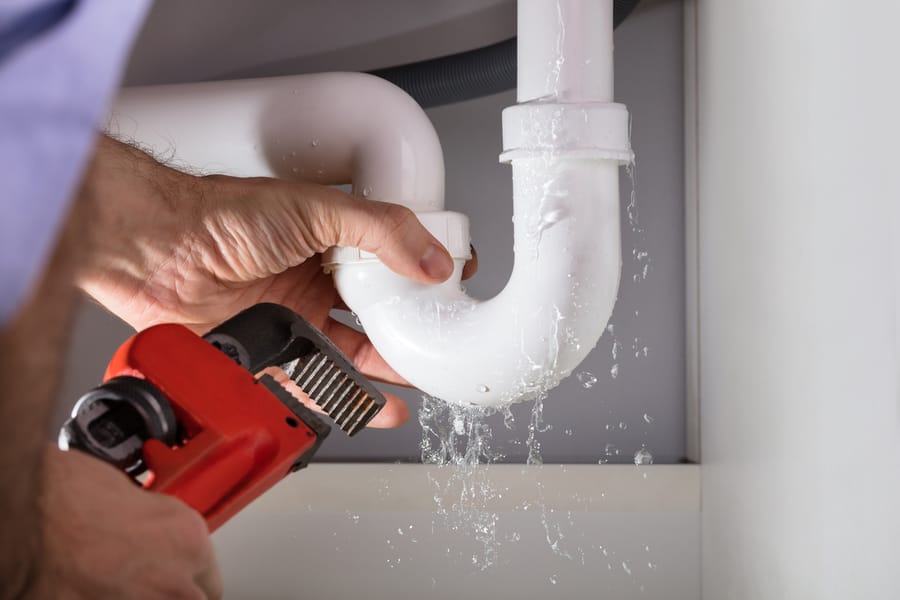
When Leak Detection Is Needed
Some leaks reveal themselves quickly, but many develop slowly and remain hidden for months. Professional leak detection is often needed when homeowners notice signs of water but can’t identify where it’s coming from.
Common situations include:
-
Unexplained increases in water bills
-
Damp drywall, ceilings, or flooring
-
Water stains that continue to grow over time
-
Musty odors or signs of mold
-
The sound of running water when no fixtures are on
-
Low water pressure in parts of the home
-
Warm or wet areas on flooring (possible slab leak)
These symptoms often indicate a leak inside plumbing lines, beneath the foundation, or behind finished surfaces.
A proper detection process identifies the source so the necessary repair, such as a targeted pipe repair or broader plumbing repair service, can be completed without unnecessary demolition.
Where Leaks Commonly Occur
Residential plumbing systems contain dozens of potential leak points. Over time, normal wear, water pressure changes, and seasonal temperature shifts can stress pipes and fittings.
Our technicians frequently locate leaks in areas such as:
Behind interior walls
Supply lines running through wall cavities can develop small cracks or loose fittings that leak slowly over time.
Under slab foundations
Pipes running beneath concrete foundations may develop leaks that travel through the soil before appearing inside the home.
Under sinks and fixtures
Cabinet plumbing connections can loosen or corrode, allowing water to escape gradually.
Water heater connections
Supply lines and fittings connected to water heaters occasionally develop slow leaks that spread into surrounding areas.
Outdoor service lines
Pipes connecting the home to the municipal water supply can leak underground without obvious surface signs.
Finding the precise location of the leak is the first step toward fixing the problem properly.
How Professional Leak Detection Works
Leak detection combines plumbing knowledge with specialized diagnostic tools. The goal is to identify the leak source accurately while minimizing disruption to the home.
1. Initial System Assessment
The process begins with a full evaluation of the plumbing system. Technicians review the symptoms you’ve noticed, inspect accessible piping, and test water pressure levels to understand where the issue may originate.
This step helps narrow down which section of the plumbing system requires closer inspection.
2. Isolation and Pressure Testing
Sections of the plumbing system may be isolated and tested individually. Pressure testing helps determine whether water is escaping somewhere within a specific line.
A drop in pressure typically confirms a hidden leak within that segment of piping.
3. Electronic Leak Detection Equipment
Modern detection tools allow technicians to locate leaks without tearing open large areas of the home.
Depending on the situation, equipment may include:
-
Acoustic listening devices that detect the sound of water escaping from pipes
-
Thermal imaging tools that reveal temperature changes caused by hidden moisture
-
Moisture detection meters used to trace water migration through building materials
These tools allow technicians to narrow down the exact leak location.
4. Targeted Access for Leak Repair
Once the leak source is confirmed, only the necessary area is opened for repair. This focused approach avoids unnecessary wall removal or flooring damage.
After access is created, the technician can complete the needed repair, often through a direct pipe repair or related plumbing service.
Why Accurate Leak Detection Matters
Hidden leaks can cause significant structural and financial damage if they remain unresolved. Identifying the exact location of a leak early helps prevent larger problems.
Accurate detection helps homeowners:
-
Avoid unnecessary demolition during repairs
-
Prevent long-term moisture damage inside walls and floors
-
Reduce water waste and rising utility bills
-
Stop mold growth before it spreads through the home
-
Address plumbing issues before they worsen
Pinpointing the source of the problem allows the repair process to be faster, more controlled, and far less disruptive.
Leak Detection vs. Standard Plumbing Repair
Many plumbing problems are easy to identify, such as a dripping faucet or a leaking pipe under a sink. In those cases, the repair can be performed immediately.
Leak detection is different. It becomes necessary when the location of the leak isn’t visible or obvious.
Instead of guessing where the leak might be, detection tools help confirm the source first. Once the location is identified, the repair can be handled directly through the appropriate plumbing solution.
Get Professional Leak Detection from MAC Home Services
Leak detection requires both technical equipment and real plumbing experience. Misidentifying a leak location can lead to unnecessary demolition or incomplete repairs.
MAC Home Services approaches leak detection methodically: evaluating the plumbing system, using modern diagnostic tools, and locating the exact source before any repair work begins.
If you suspect hidden water damage or unexplained water loss in your Middlesex County, MA home, professional leak detection can identify the problem and guide the next step toward repair.
Ready To Get Started?
We Are Ready to Help
Reach out to us with any questions or to schedule a service. We pride ourselves on excellent communication and prompt responses.

Book Your Service Today
Skip the phone call- getting an appointment just takes a few easy steps!Frequently Asked Questions

Get in Touch With Mac Home Services
We’re Here for All Your Plumbing and HVAC Needs
Call us at (781) 512-7350 or fill out the form below to get started.
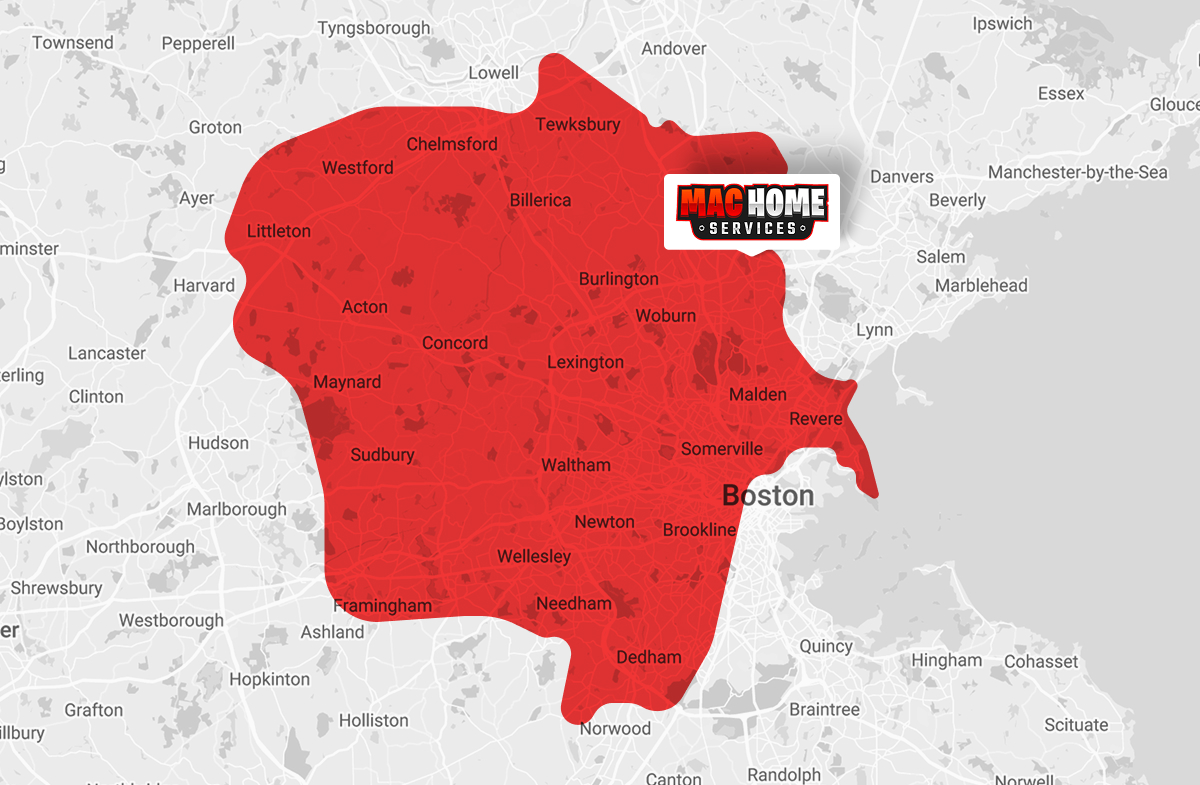
Proudly Serving Wakefield and Beyond
Mac Home Services is committed to delivering top-notch service throughout Wakefield, MA, and surrounding areas. See if we’re in your neighborhood!- Acton
- Arlington
- Bedford
- Belmont
- Billerica
- Brookline
- Burlington
- Cambridge
- Charlestown
- Chelsea
- Chelmsford
- Dedham
- Everett
- Framingham
- Lexington
- Littleton
- Malden
- Maynard
- Medford
- Melrose
- Needham
- Newton
- North Reading
- Reading
- Revere
- Somerville
- Stoneham
- Sudbury
- Tewksbury
- Wakefield
- Waltham
- Watertown
- Westford
- Weston
- Westwood
- Wilmington
- Winchester
- Winthrop
- Woburn
- Wellesley